
Discover

Discover Our Vineyards

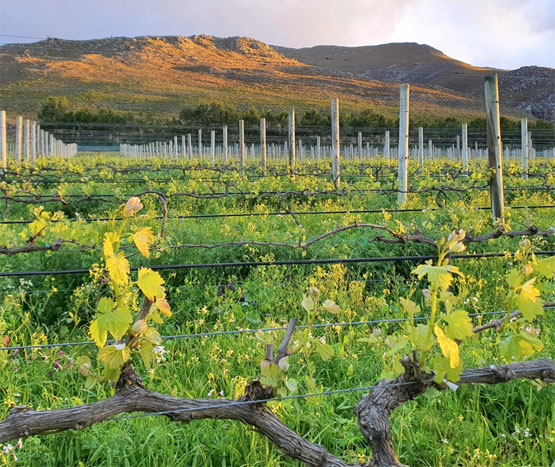
Without a doubt, The Drift Estate is all about making the very best wine possible in South Africa. This is viticulture on the edge – these are extreme vineyards with the ability to make astounding wine.

The Drift Estate provides a variety of altitudes, slopes, aspects and soil types; all which add to the complexity of the wine we make, but it is the extreme weather, bitterly cold in winter and astonishingly cool in summer that creates the real edge.

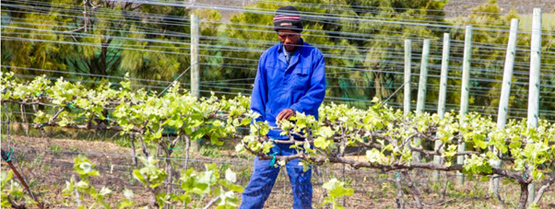
Our vineyards are straw-mulched to retain moisture in the soil, resulting in a saving of up to 40% water usage as well as suppressing weeds in the vineyards.  We do not use any chemical fertilisers or pesticides on The Drift Estate, rather preferring compost as a fertiliser.

To take advantage of specific soil types, angle and aspect of slope, etc. we have planted small, irregular shaped vineyards of various sizes. These are not what one would consider “commercially viable” either in size, or layout. However, if you want to make amazing wine, it starts with where and how you plant the vineyard.

As an example, we make Cap Classique from an obscure Port variety called Touriga Franca. This entire vineyard only produces around 700 litres per year. Here, as with all the vineyards, our intention is to make an exceptional wine – a true reflection of the vineyard site.
Each vineyard is fermented, and matured, separately before being blended together to craft the final wine.

Each vineyard has been given the name of a maternal ancestor in our family tree, starting with my wife, Penelope whose maiden name was Passmore.

Our vineyards are root-fed with earthworm water from our own earthworm farm, and we make extensive use of compost and mulch to suppress weeds and create a naturally cool and moist environment for earthworms. The earthworms not only aerate the soil, but bring life into the soil.

Healthy, life-enriched soil makes for healthy vines – and in these extreme growing conditions, the vines need to be strong to survive. We never use chemical fertilisers, as this unbalances the inherent chemical make-up of the soil and we would then not get a true reflection of the land in the final wine.

About Us
About Us

We also have an agreement with neighbouring farms not to use chemical sprays on the adjoining wheat lands. Although we have irrigation in all the vineyards, this is really only to get the vines established for the first three to five years of their life. Thereafter, irrigation is used sparingly, and only to enhance quality – never for quantity. We are not after quantity at all.

We want small, intensely-flavoured berries that will help us make complex wines of outstanding quality.

Each marriage of vineyard site to variety has been carefully planned to provide us with a myriad of subtly different wines, which when blended will contribute to layers and layers of complexity. Each vineyard’s character adds another nuance to the overall effect.